

Travel Blog
Welcome to the Travel with Charlotte blog, your gateway to exclusive travel news and limited-time offers. Discover amazing destinations and let me craft your next unforgettable adventure.
⚠️ Warning ⚠️
Please be careful when drinking alcohol abroad especially spirits as a number of spirits have been found to contain Methanol, which can cause serious illness and even death!
Do Not accept "Free" or "Cheap" drinks from establishments or bars
Always remember, if it sounds too good to be true, it probably is.
Stay safe!

How to Navigate UK Airport Security with Neurodivergent Children: An Expert Guide
An expert guide by an independent travel agent and neurodivergent mother on navigating UK airport security with Autism and ADHD. Discover sunflower lanyard fast-tracks, sensory rooms, and hidden airport policies.
The Airport Sensory Minefield (And Why Planning Matters)
As a travel advisor and a mum raising a neurodivergent family, I know first-hand that the airport can often be the most stressful part of a holiday. While many travellers are busy looking forward to their destination, those of us navigating ADHD and Autism are often focused on simply getting through the terminal without becoming overwhelmed.
I've experienced the challenges that airports can present. The constant echo of announcements, bright fluorescent lighting, crowds moving in every direction, and the uncertainty of how long a queue will take can quickly become overwhelming. Add in the pressure of remembering security rules about liquids, laptops, tablets, and personal items, and it's easy to see why anxiety can start building long before boarding begins.
For many neurodivergent travellers, it's not just one thing that causes stress—it's the accumulation of multiple sensory and cognitive demands happening all at once. An unexpected gate change, a delayed flight, or a particularly busy security area can turn what seems like a minor inconvenience into a genuinely difficult experience.
The good news is that airports don't have to feel impossible. Over the years, both professionally and personally, I've learned that preparation is one of the most effective tools available. Knowing what to expect, understanding the support available, and having a plan for potential challenges can make a remarkable difference.
A little extra planning before you travel can help transform the airport experience from something you dread into something you feel confident managing, allowing you to start your holiday feeling calmer, more comfortable, and ready to enjoy the adventure ahead.add text.
Step 1: Trigger the DPNA Code 48 Hours Before Your Flight
One of the most valuable travel tips that many families are unaware of is the DPNA code. DPNA stands for Disabled Passenger with Non-Visible Disabilities and is a special assistance code used within the aviation industry to help identify passengers who may require additional support throughout their journey.
If you are travelling with a child or family member with Autism, ADHD, or another non-visible disability, it's worth asking your travel agent or airline to add the DPNA code to the booking at least 48 hours before departure. This gives the airline and airport teams sufficient time to prepare any assistance that may be needed.
Once the code has been added, it helps alert relevant airport and airline staff throughout the travel process. From check-in and security screening to boarding, in-flight support, and arrival at your destination, staff can be made aware that the passenger may benefit from additional understanding, patience, or assistance.
While the exact support available can vary between airlines and airports, having the DPNA code attached to the booking can help create a smoother, less stressful experience and reduce the need to repeatedly explain your family's circumstances at every stage of the journey.
As a travel advisor, I always recommend arranging this support well in advance rather than waiting until you arrive at the airport. A simple conversation before you travel can make a significant difference to how comfortably and confidently your journey begins.
Step 2: Grab a Hidden Disabilities Sunflower Lanyard
If you're travelling through a UK airport with Autism, ADHD, or another non-visible disability, one of the simplest ways to access additional support is by wearing a Hidden Disabilities Sunflower Lanyard.
The Sunflower Lanyard scheme is recognised across many major UK airports and helps discreetly signal to airport and airline staff that you may need extra time, understanding, or assistance during your journey. You don't need to explain your circumstances to every member of staff you encounter—the lanyard acts as a visual indicator that additional support may be helpful.
The good news is that Sunflower Lanyards are typically completely free of charge. Most participating airports offer them from their Special Assistance desks located in the departure halls, although some airports may also allow you to request one in advance or collect one from designated information points.
For many families, the real benefit comes from the awareness training provided to airport staff. Security teams, customer service agents, and assistance staff are trained to recognise the lanyard and understand that the wearer may benefit from a more supportive approach.
Why It Can Make a Big Difference
- Signals a non-visible disability without needing repeated explanations.
- Encourages staff to provide extra patience and understanding.
- Can result in clearer, step-by-step instructions during security and boarding processes.
- May provide access to priority lanes or alternative screening arrangements where available.
- Helps reduce anxiety by making support more accessible throughout the airport journey.
While the level of assistance can vary between airports, many families find that simply wearing a Sunflower Lanyard makes the entire airport experience feel less stressful and more manageable. It's a small item that can make a surprisingly big difference from check-in right through to boarding.
Top Tip: If you're arranging airport assistance, ask your travel advisor or airline whether your departure airport participates in the Sunflower scheme and where the nearest collection point is located before you travel.
Step 3: Hack the Security Lanes at Major UK Airports
Not all airports offer the same support, which is why it's worth knowing exactly what is available before you travel. A little research can help you avoid unnecessary stress and access facilities specifically designed for neurodivergent travellers.
✈️ Manchester Airport (MAN)
Manchester Airport is one of the UK's most autism-friendly airports and offers several support options for passengers with non-visible disabilities.
- Book Special Assistance in advance through your airline or travel agent.
- Use the Assisted Travel security lanes, which are often quieter and less overwhelming than the standard queues.
- If the sensory overload of the World Duty Free area is a concern, let an airport assistance team member know. Depending on operational requirements, staff may be able to help guide you through the area as efficiently as possible.
- Terminal 1 features a dedicated Sunflower Room, providing a quieter escape space for passengers who need time to decompress before their flight.
- Staff throughout the airport receive awareness training to support passengers with hidden disabilities.
✈️ Leeds Bradford Airport (LBA)
As the closest airport to Harrogate, Leeds Bradford is a popular choice for families across North Yorkshire.
- Arrange Special Assistance at least 48 hours before departure whenever possible.
- Make yourself known at the Special Assistance reception point on arrival.
- If you're travelling with a child who may struggle with queues, transitions, or sensory overload, notify the airport assistance team as early as possible.
- Consider visiting the airport website before travelling to familiarise yourself with terminal layouts and procedures, helping to reduce uncertainty on the day.
- During peak holiday periods, allow extra time to navigate the airport at a comfortable pace rather than rushing through the process.
✈️ London Heathrow (LHR)
Heathrow has invested significantly in supporting neurodivergent passengers and families.
- Request Special Assistance when booking your flight.
- Heathrow offers dedicated sensory and calming spaces designed to help passengers regulate before boarding.
- Several terminals feature quiet areas where travellers can step away from the busy terminal environment.
- Airport staff receive hidden disability awareness training and can provide additional support when required.
- Families travelling with Autism or ADHD may find it helpful to use Heathrow's accessibility resources before departure to familiarise themselves with the journey.
✈️ London Gatwick (LGW)
Gatwick has developed a range of accessibility initiatives aimed at reducing travel anxiety.
- Book assistance in advance and identify yourself at the Special Assistance desk upon arrival.
- Take advantage of the airport's sensory and chill-out spaces where available.
- Hidden Disabilities Sunflower wearers are recognised throughout the airport.
- Staff are trained to provide clearer communication, additional time, and support through security and boarding where needed.
- If your child becomes overwhelmed, don't hesitate to seek assistance from airport staff—support is available throughout the passenger journey.
The Key Takeaway
Every airport operates differently, but the common theme is preparation. By arranging assistance in advance, using hidden disability support schemes, and knowing where quiet spaces are located, you can significantly reduce stress and create a much smoother start to your holiday.
Travel Advisor Tip: If you're flying from Leeds Bradford, Manchester, Heathrow, or Gatwick, I always recommend checking the airport's accessibility services a few weeks before departure. Facilities change regularly, and a quick conversation with the Special Assistance team can uncover support options that aren't widely advertised.
Step 4: Build a "Security-Proof" Sensory Kit
When travelling with an autistic child or a child with ADHD, one of the best preparations you can make is packing a dedicated Calming Kit inside your hand luggage. The key is to keep everything in one easily accessible pouch or backpack pocket so you're not frantically searching for comfort items while navigating security, boarding, or unexpected delays.
Think of this kit as your first line of defence against sensory overload. Airports and aircraft are full of unfamiliar sounds, sights, smells, and routines, and having trusted sensory tools within arm's reach can make all the difference.
My Non-Negotiable Calming Kit Essentials
- Noise-cancelling headphones to reduce overwhelming announcements, crowd noise, and aircraft sounds.
- Fidget toys or fidget spinners to help regulate anxiety and provide a calming focus.
- A fully charged tablet loaded with favourite games, films, or comfort content.
- A power bank and charging cable to avoid running out of battery during delays.
- Chew toys or sensory-safe chew aids for children who benefit from oral sensory input.
- Favourite comfort items such as a small blanket, soft toy, or familiar object.
- Snacks and drinks purchased after security to help maintain routine and avoid hunger-related stress.
- Visual schedules or social stories if your child benefits from knowing what happens next.
Avoid Unnecessary Security Delays
One of the biggest sources of airport stress is an unexpected bag search. To minimise the chances of this happening, organise liquids, medications, and electronic devices before you reach security.
If your child travels with liquid medication, sensory gels, cooling packs, or other medically necessary items, check the latest UK airport security guidance before you travel. Medications are generally permitted but may require separate screening or supporting documentation. Having these items easily accessible can help the process run much more smoothly.
It's also worth remembering that tablets, power banks, and larger electronic devices may need to be screened separately depending on the airport and security technology being used.
The Goal Isn't Perfection
Even with the best planning, travel can be unpredictable. The purpose of a sensory kit isn't to eliminate every challenge—it's to give your child familiar tools they can rely on when things feel overwhelming. Having those comforts close at hand can help turn a potentially stressful travel day into a far more manageable experience for the whole family.
Advice: If you're travelling from a UK airport, I recommend checking the latest security guidance a few days before departure, as liquid and screening procedures can vary between airports while new security technology is being rolled out.
FAQs About Neuro-Inclusive Flying in the UK
Can my child wear noise-cancelling headphones through the security metal detector?
In most cases, yes. Many children are allowed to keep their noise-cancelling headphones on while approaching and passing through security screening. However, security officers may need to briefly inspect the headphones or carry out additional screening, such as a swab test. If your child is sensitive to noise or may become distressed if asked to remove them, let the security officer know before you reach the screening area. Airport staff are trained to support passengers with non-visible disabilities and will usually work with you to make the process as comfortable as possible.
Can I keep my child's special needs pushchair until the aircraft door?
Yes. At most major UK airports, you can keep a stroller, buggy, special needs pushchair, or mobility aid with you right up until the aircraft door or boarding bridge. The item is then collected by ground staff and stored in the aircraft hold before departure. Upon arrival, it is often returned at the aircraft door or at a designated collection point, depending on the airport and airline. If your child relies on a specialist pushchair or mobility aid, notify your airline in advance so appropriate arrangements can be made.
Do I need to tell the airline about my child's Autism or ADHD?
While it isn't mandatory, it is highly recommended. Informing the airline in advance allows them to add any relevant assistance requests to the booking and helps airport staff better understand your child's needs. This can make check-in, security, boarding, and arrival much smoother.
Is the Hidden Disabilities Sunflower Lanyard accepted at UK airports?
Yes. Many major UK airports recognise the Hidden Disabilities Sunflower Lanyard. Wearing one can discreetly indicate that the wearer has a non-visible disability and may benefit from additional time, patience, clearer communication, or assistance during their journey.
Can we access priority security or assistance lanes?
In many cases, yes. Passengers who have arranged Special Assistance or who require support due to a non-visible disability may be able to use dedicated assistance lanes or receive help navigating security and the terminal. Availability varies by airport, so it's always worth arranging assistance before you travel.
Can I take medication, sensory gels, or medical liquids through security?
Yes. Essential medications and medically required liquids are generally permitted through airport security, even if they exceed standard liquid limits. Keep them easily accessible, carry any supporting documentation if available, and declare them to security staff when requested to help avoid delays.
What should I do if my child becomes overwhelmed at the airport?
Speak to a member of airport staff as soon as possible. Many airports have Special Assistance teams, quiet spaces, sensory rooms, or designated calming areas available. Staff are there to help and can often suggest quieter routes or support options to reduce stress and sensory overload.
Final Thoughts: Flying with Autism Doesn't Have to Feel Overwhelming
Flying with an autistic child, a child with ADHD, or another neurodivergent family member can feel daunting, especially if you're worried about sensory overload, long queues, unfamiliar environments, and unexpected changes. However, with the right preparation, airport support, and travel planning, air travel can become far more manageable than many families expect.
From requesting the DPNA code and arranging Special Assistance to collecting a Hidden Disabilities Sunflower Lanyard and packing a security-proof sensory kit, there are numerous ways to reduce stress and create a smoother journey from check-in to arrival.
As both a travel advisor and a mum navigating ADHD and Autism in daily life, I understand that every family is different. What works perfectly for one child may not work for another. That's why personalised planning is so important. Taking the time to prepare for your child's specific needs can help transform the airport experience from something you fear into something you feel confident handling.
The holiday should be the exciting part—not the journey to get there.
Need Help Planning a Neuro-Inclusive Holiday?
If you're looking for expert support with airport assistance, accessible travel arrangements, family-friendly destinations, cruises, package holidays, or bespoke itineraries tailored to neurodivergent travellers, I'd be delighted to help.
Together, we can create a holiday that works for your family, minimises unnecessary stress, and allows everyone to focus on making wonderful memories.
Get in touch today to start planning your next neuro-inclusive adventure with confidence.
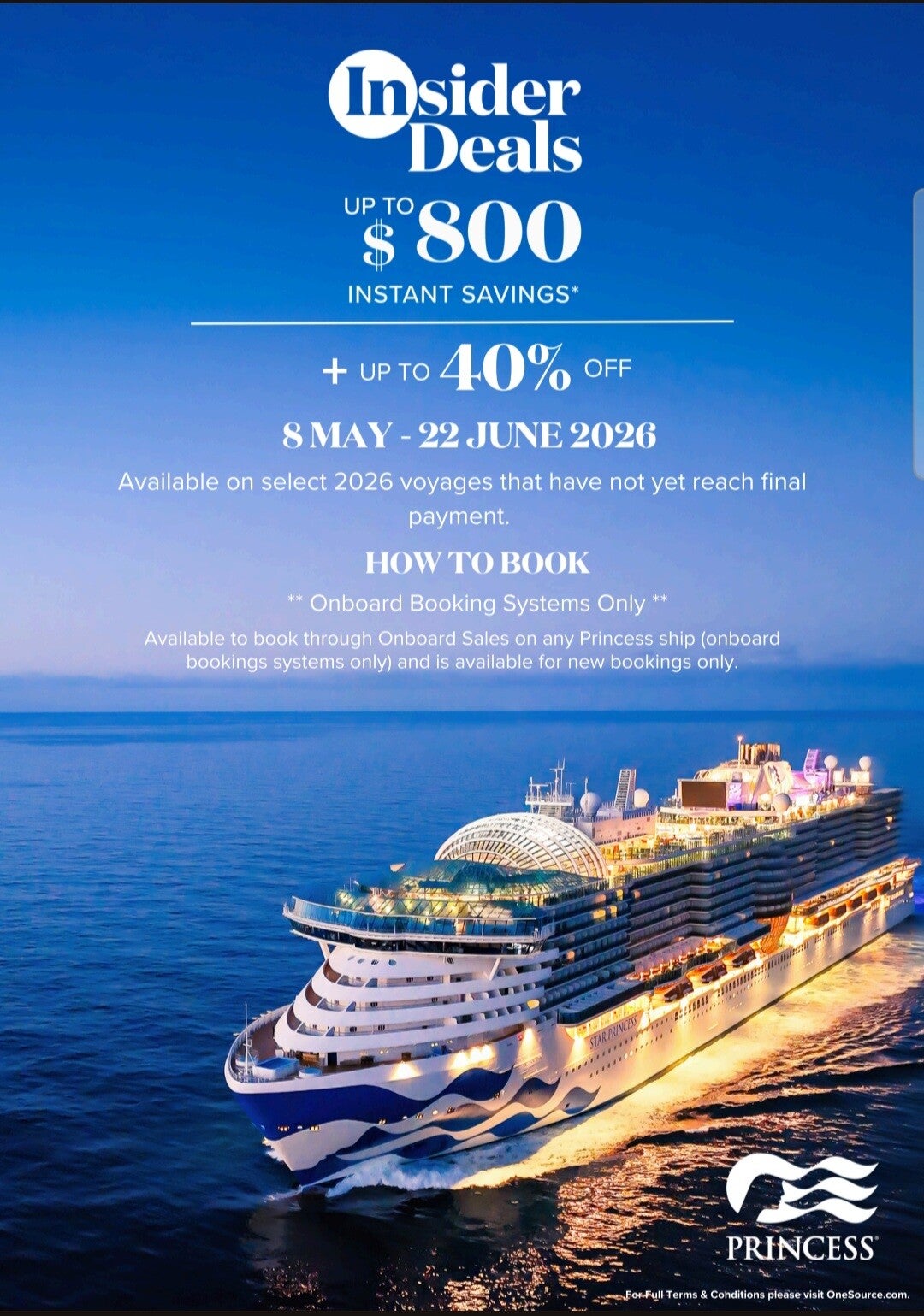
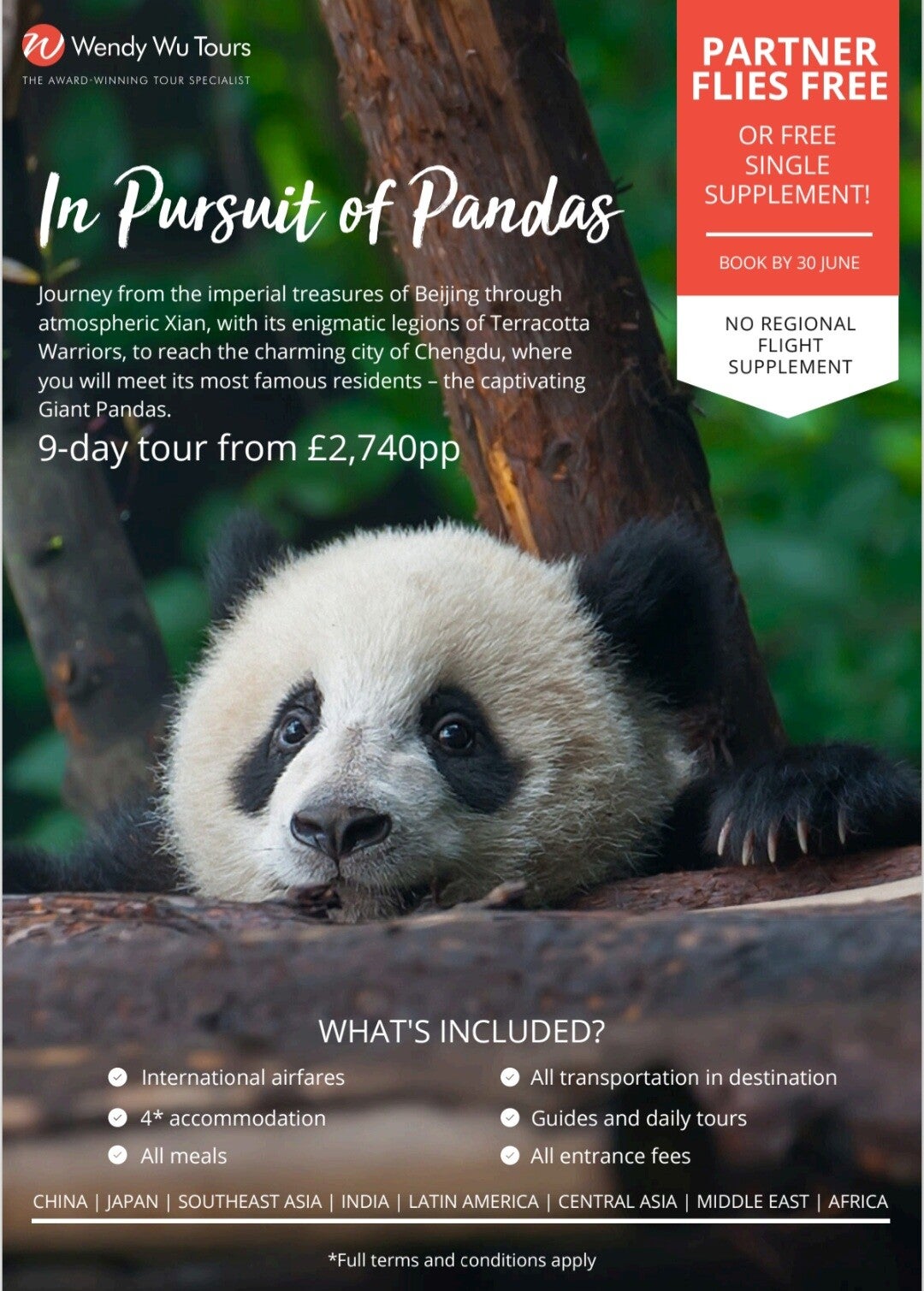
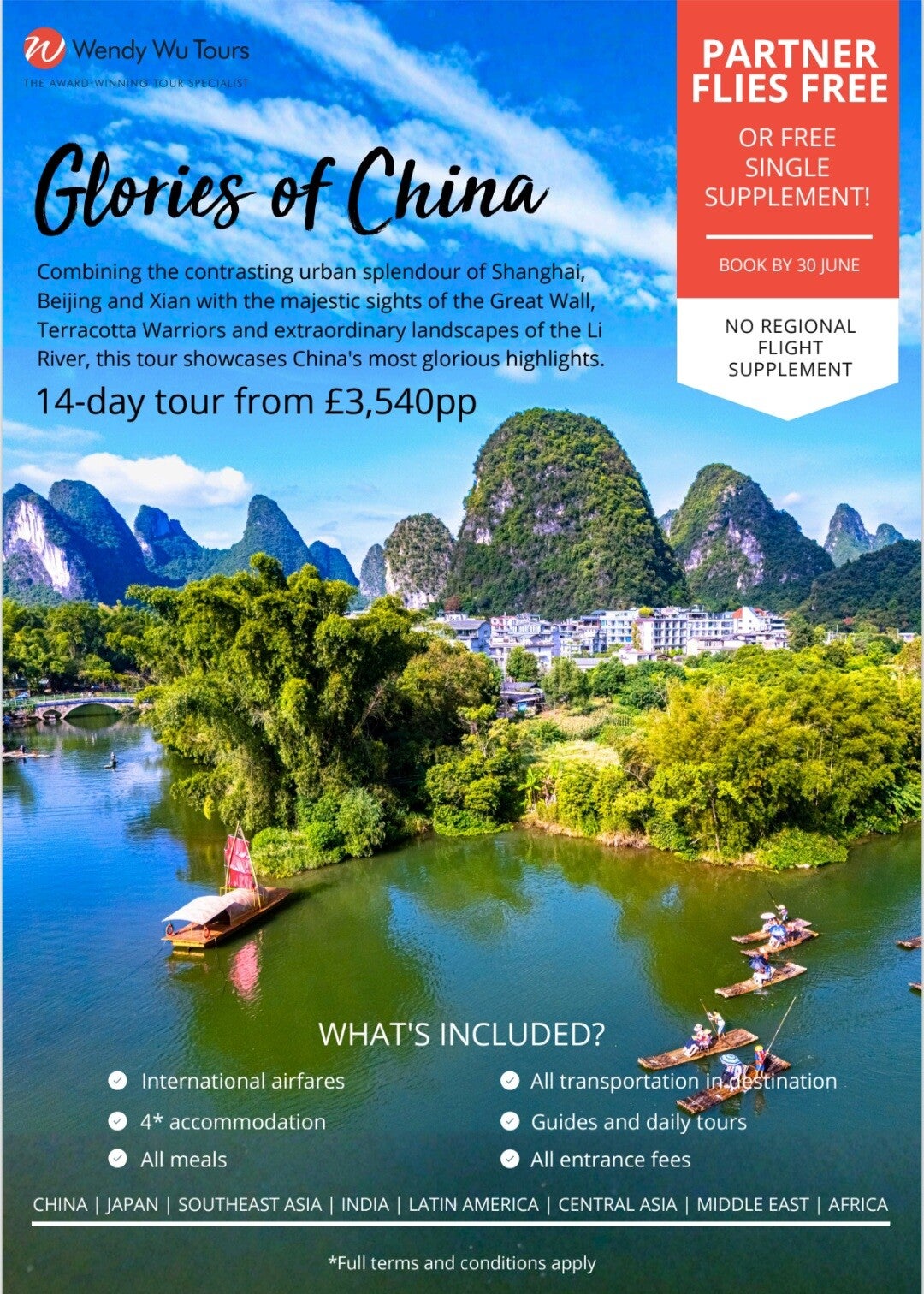
Exclusive Offers Just For You
Stay ahead of the curve with my curated selection of news and limited-time offers. These deals are personally vetted and delivered directly to you, ensuring you get the best without the public competition. Don't miss out on these unique opportunities to save on your dream holiday.
Limited time only offers!
Please check all valid dates before enquiring




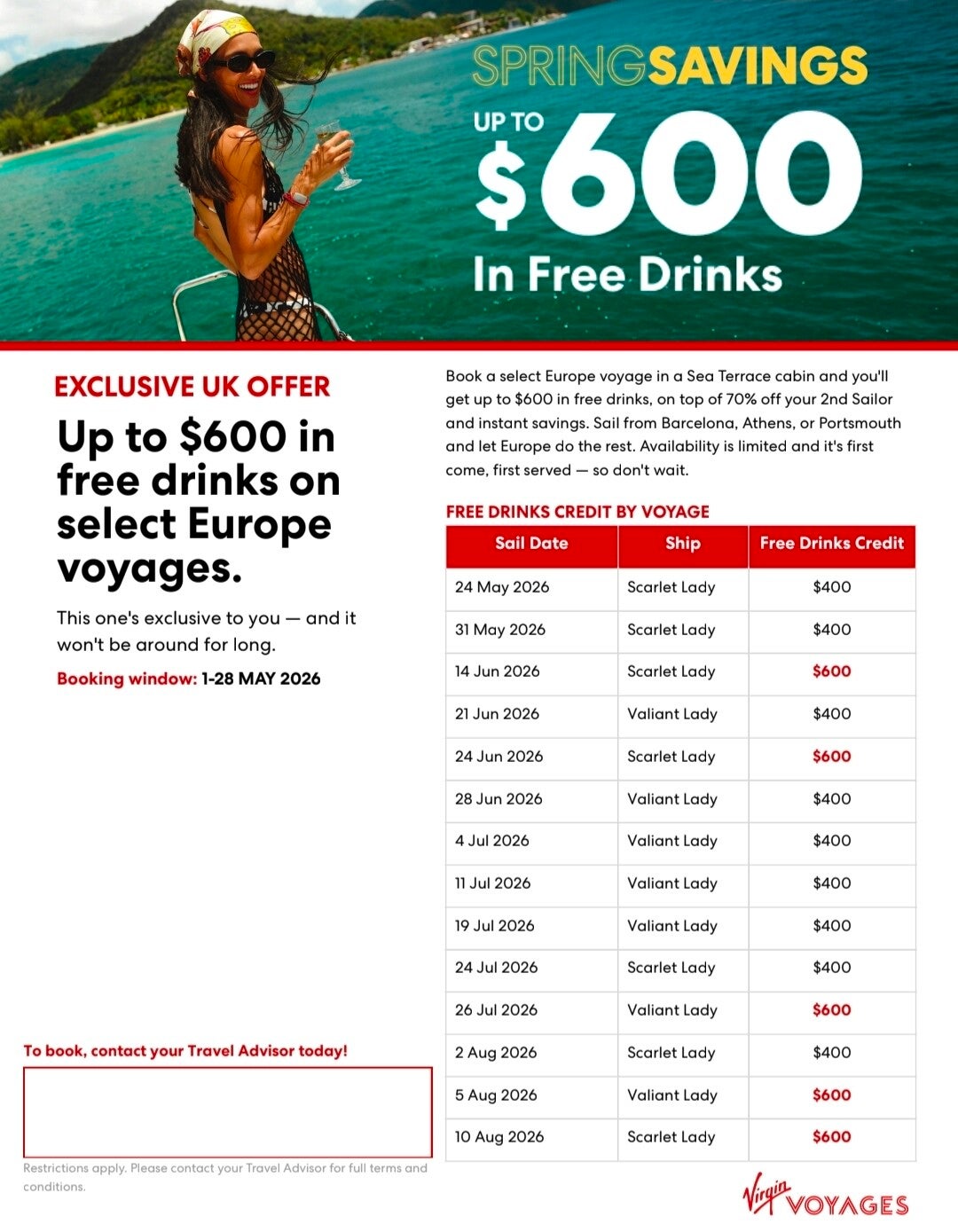
Virgin Voyages limited time deals!
Get them while you can, you snooze you lose




Unlock Your Next Adventure
As an independent travel agent, I bring a personal touch and expert knowledge to every recommendation. My blog posts offer insights and tips that go beyond the typical, built on years of experience and a passion for travel. Trust Vacays by the C ™ to guide you towards your perfect getaway.
Ready to plan your next escape? I hope my blog has inspired you. Get in touch today to discuss your travel plans and let's turn your dreams into reality.
Close Your Eyes, Imagine Your Dream Destination, comment below where your mind takes you
Are you ready to stop dreaming it and start living it?
Use the form below to get in touch
Any questions message me directly here ⬇️
Please check your destination for their latest travel advice here ⬇️
Foreign travel advice - GOV.UK https://share.google/fXG5DyxlxhwKeglO0
Add comment
Comments